Inventory pass
We photograph shelves only if you agree, then map dry goods, chilled items, and freezer depth.
Before recipes, we look at how your table, sink, and storage line up. This page walks through how Tlixarenvychrali builds a kitchen story that feels grounded in your space—not a catalogue kitchen.
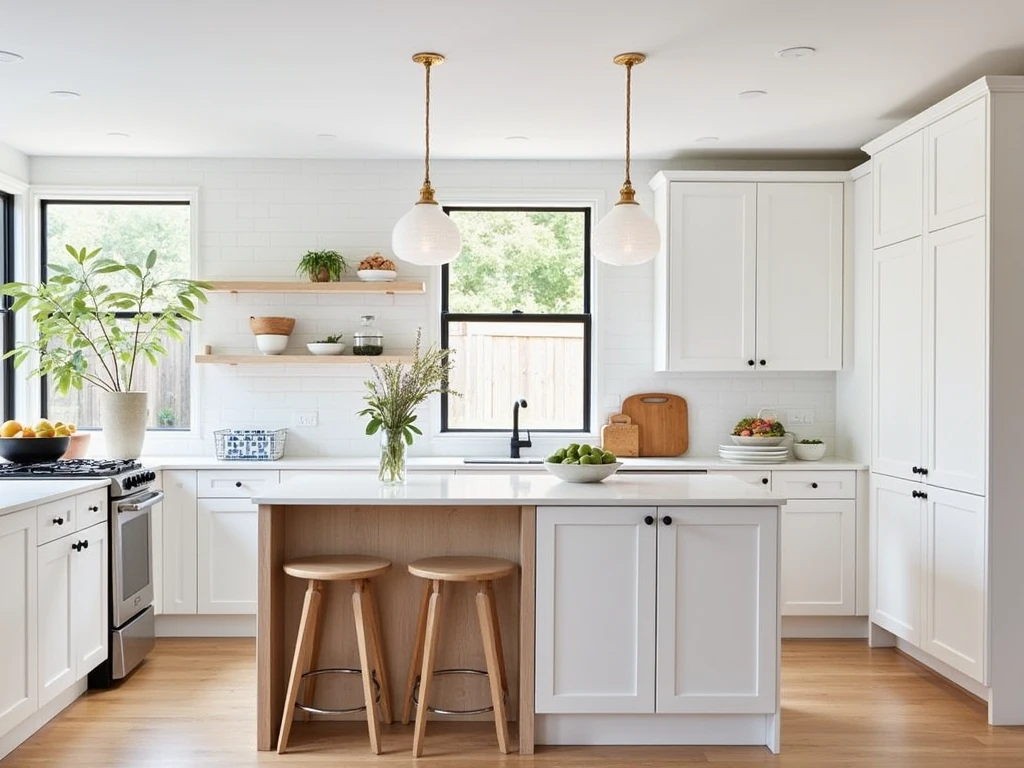
We measure rim heights, bowl depth, and how heat moves across your cookware so serving stays predictable. When the physical canvas is clear, shopping lists become shorter because ingredients have a destination before they enter the cart.
Biodegradable scrubbers, refillable detergents, and air-drying racks are part of the same conversation: cleaning stays aligned with what sits on the table, and chemical-free prep zones stay obvious to everyone who cooks.
We start with inventory: dry goods, refrigerated shelves, freezer depth, and the containers you already trust. That snapshot is optional to photograph; some clients prefer handwritten notes only. Either way, we map how food moves from bag to counter to fridge so the next grocery trip stays short and directional.
Next we look at shared surfaces. Where do cutting boards live? How do towels rotate? Which sprays stay outside the immediate cooking line? These are practical questions about chemical-free habits—they keep everyone oriented without turning dinner into a lecture.
Finally we layer serving ideas: platters instead of single-use plastics when it fits your routine, cloth napkins beside compost bins, and lighting that keeps the mood soft. We do not promise outcomes; we describe arrangements that tend to feel calmer for households who prefer them.
We photograph shelves only if you agree, then map dry goods, chilled items, and freezer depth.
A single-page diagram shows where chopping, rinsing, and plating happen before ingredients appear.
Surfaces, air-dry, dimmers—so the last person never improvises in the dark.
A short call two weeks later adjusts portions or timing based on what felt realistic.
Not always. We look at lids, handles, and heat sources you already trust, then suggest adjustments only where safety or efficiency clearly improves.
Lists name aisles in the stores you prefer, highlight bulk sections when available, and note packaging types so you can align with composting habits at home.
Yes. We add short role cards so everyone knows one prep task and one clean-up task, keeping conversations factual and collaborative.
Send a short note about meal times that already work—we reply with two optional tweaks before booking.